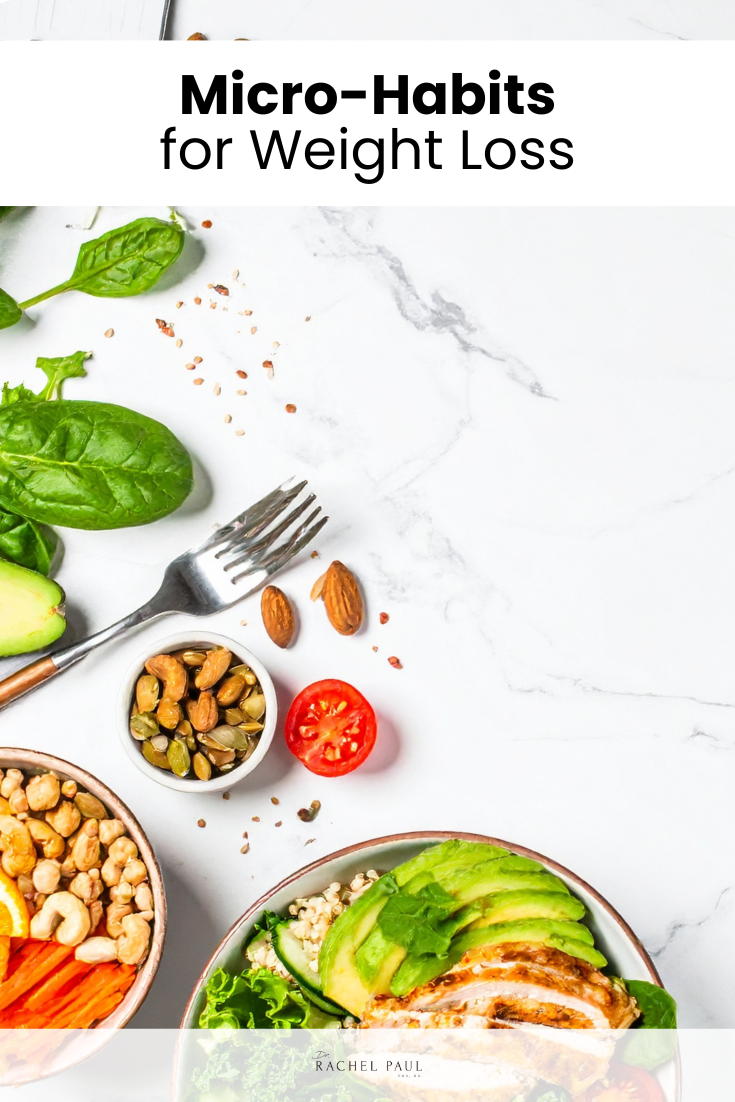
Micro-habits for weight loss are small steps that fit into your everyday routine and build real progress over time. Instead of relying on motivation or willpower, these habits help create consistency in a simple, manageable way.
Many people struggle with weight loss because they try to change everything at once. The reality is that long-term success comes from predictable routines, steady blood sugar, and choices that make hunger and cravings easier to manage. This post will walk you through tiny habits that help you eat balanced meals, feel more in control, and make healthier decisions automatically. These habits work well for busy schedules, high-stress seasons, or anyone who wants straightforward steps that actually move the needle.
Micro-Habits for Weight Loss: 12 Tiny Habits to Add to Your Daily Routine
These habits can be added one at a time. You do not need to master everything at once. Start with the one that feels easiest. Over time, these small choices help regulate hunger, keep energy steadier, and reduce the urge to overeat at night or between meals.

1. Eat a Protein-Rich Breakfast
A protein-rich breakfast sets the tone for the entire day. When your first meal includes enough protein, your blood sugar rises and falls more gradually. This helps reduce mid-morning cravings, improve focus, and prevent the “starve and crash” cycle that leads to overeating later. A balanced breakfast doesn’t have to be complicated. Try these easy breakfast ideas using foods you genuinely enjoy and can prepare quickly, so this habit becomes automatic rather than something you have to negotiate each morning.
2. Eat a Protein-Rich Snack Before Bed
A small protein snack before bed can make a surprising difference for nighttime hunger and sleep quality. When you go to bed with stable blood sugar, you’re much less likely to wake up hungry or crave high-sugar foods late at night. This habit supports steady glucose levels and helps prevent late-night snacking from turning into overeating. Keep a few options ready so the decision feels simple and not like extra work at the end of a long day.
3. Add Veggies to a Snack
Vegetables add volume, crunch, and fiber with very few calories. When you pair veggies with a snack, you feel more satisfied without needing a larger portion of the main item. This is especially helpful if you tend to reach for snacks when you’re bored, stressed, or want something to chew on. Veggies extend the eating experience, giving you sensory satisfaction without the calorie load.
4. Add Veggies to One Meal a Day
If increasing vegetables across every meal feels overwhelming, start with just one. This small step is enough to noticeably improve fullness and help you naturally reduce portions of more calorie-dense foods. Non-starchy vegetables add bulk and fiber, which can help you feel satisfied faster and stay full longer. You’ll likely find that once you build this habit into one meal, it becomes easier to include vegetables more often throughout the week.
5. Replace a Sugary Drink
Sugary drinks can be sneaky sources of extra calories that add up quickly without providing a sense of fullness. Replacing even one sugary drink a day with a low-calorie option has a meaningful impact on overall intake. You don’t need to eliminate every sweet drink immediately. Begin with a simple swap and let your taste buds gradually adjust. This also helps reduce the energy crashes that happen after large spikes in blood sugar.
6. Order Drinks with Less Sugar
Reducing sugar in coffee or tea is one of the fastest habits to build because it fits straight into your routines. Cutting just one pump of syrup can save dozens of calories each day, which adds up over time. Many people find that as they reduce sugar, their palate becomes more sensitive to sweetness. Then after a few weeks, the original version often tastes too sweet. That’s the power of gradual habit change.

7. Choose Low Sugar or No Sugar Sauces and Dressings
Sauces and dressings contribute more added sugar than many people realize. Choosing low-sugar versions allows you to keep flavor in your meals without the blood sugar spike that often leads to more cravings. This is an easy swap because you can still enjoy the foods you love with a simple ingredient update. Learn more about the best dressings and condiments for your weight loss journey so you don’t have to go without flavor to make progress.
8. Portion Your Foods
Eating directly from a container or bag makes it easy to lose track of how much you’re eating. Portioning your food, even into a small bowl, builds awareness and helps prevent mindless overeating. This habit is about structure, not restriction. It enables you to enjoy the foods you like in amounts that support your goals. Over time, portioning becomes quick and automatic.
9. Use Single-Serving Foods
Single-serving portions take out the guesswork when you’re busy or tired. These foods take the pressure off deciding “how much should I have?” and help prevent overeating after a long day. They also make it easier to pack snacks on the go, stick to consistent portions, and simplify grocery shopping since you know exactly what you’re getting each time.
10. ‘Favorite’ the Healthier Options
When hunger hits, it’s harder to make a balanced choice. Saving healthier items in your food delivery apps supports better decisions in the moment. This habit reduces the mental load of scrolling through endless options and helps you act on autopilot. The easier it is to click something nutritious, the more consistent you’ll be with your goals.
11. Use Fresh Prepped Veggies
Prepped vegetables save time, reduce friction, and also make healthy meals easier to assemble. Removing the washing, peeling, and chopping steps increases the likelihood that you’ll actually eat them. Convenience matters on busy days. Prepped veggies help you keep balanced eating simple, even when you’re rushed or low on energy.
12. Eat Sweets After Protein
Pairing sweets with protein helps slow digestion, which reduces how quickly your blood sugar rises. This means fewer cravings later, more stable energy, and better appetite control. You don’t need to eliminate treats. Instead, eating them in a more structured way supports your goals while still allowing room for foods you enjoy. Learn more how to eat dessert and stay on track here.
Why Micro-Habits for Weight Loss Can Make a Big Difference
The more you focus on small, repeatable steps, the easier weight loss becomes. Micro-habits help you feel more in control of hunger, improve your relationship with food, and reduce the feeling of “starting over” each week. These habits are not about perfection. They’re about building a structure that supports real life.
Choose two or three habits that fit into your routine today. Over the next few weeks, add another. With time, these simple changes create long-lasting results and a more confident, consistent version of you.
Get a Free Beginner’s Weight Loss Guide, here!