Have you ever had brain fog? You know, a feeling of slowness and mentally fuzzy. If you’ve ever had brain fog, then you know it can make you become forgetful, lose focus, and feel tired overall. But that’s actually not the worst of it. Brain fog can also interfere with sleep, interfere with memory, affect your decision-making, and cause additional stress.
Getting rid of brain fog can be achieved with a few lifestyle changes that help boost one’s overall health and wellness. However, not only is physical exercise important, did you know the foods we eat can also help fuel the brain and keep it sharp? It’s true.
Good nutrition can help with the lack of mental clarity and improve cognitive function. So today, I’m sharing a round-up of the best food for brain fog so you can get back to feeling alert, alive, and well.
5 Best Food For Brain Fog
What I love about this list is the fact that these are all great ingredients to add to your favorite meals or use as replacement ingredients to get the nutritional boost you’ve been needing.
Also, fun fact: These foods all have anti-inflammatory properties and antioxidants that help with overall brain function and brain health. So try this list of the best foods to fight off brain fog and see improvements to your mood, memory, and motivation.
Fatty Fish
Did you know? Omega is a polyunsaturated fatty acid (PUFA) that has an essential impact on cognitive performance at all stages of life. According to research from the National Library of Medicine found that the “ingestion of omega-3 fatty acids increases learning, memory, cognitive well-being, and blood flow in the brain.” For this reason, we want to be sure to add fatty fish to our list of foods to consume on a brain fog elimination diet. Fatty fish includes salmon, tuna, trout, sardines, shrimp, oysters, and scallops. You can also get omega-3 fatty acids from a plant based diet of flaxseeds, chia seeds, and walnuts.
It’s recommended to consume 250–500 mg combined eicosapentaenoic acid (EPA) and Docosahexaenoic acid (DHA) each day for healthy adults, which is the equivalent of an 8 ounce fish.
DHA is an omega-3 fatty acid that is found along with EPA in cold-water fish, including tuna and salmon. While there isn’t good scientific evidence to support its uses, it’s thought to help with boosting memory and thinking skills, for helping infant and child development, for certain eye disorders, and many other conditions, according to WebMD.
Dark Leafy Greens
Eat your dark leafy greens when you need those extra vitamins and minerals that help relieve the symptoms of brain fog. The dark leafy greens high on the list are spinach, chard, and kale! Both are super high in the antioxidant lutein, which helps to protect the brain cells from free radicals. The USDA recommends adults consume 2 to 3 cups of vegetables a day, but two cups of raw leafy greens are the equivalent of one cup of vegetables, therefore it’s safe to bump up your intake of dark leafy greens like spinach, chard, and kale to make the nutritional equivalent and recommended amount.
Dark Chocolate
Need another reason to buy dark chocolate? Well, lucky for you (us), this treat contains cocoa which has high levels of the brain boosting antioxidant flavanols. Flavanols support brain function, enhance learning and memory, and boost overall brain power. Dark chocolate works great as a brain food snacks. Just don’t overeat it because dark chocolate mainly consists of unhealthy saturated fats in the form of cocoa butter.
Turmeric
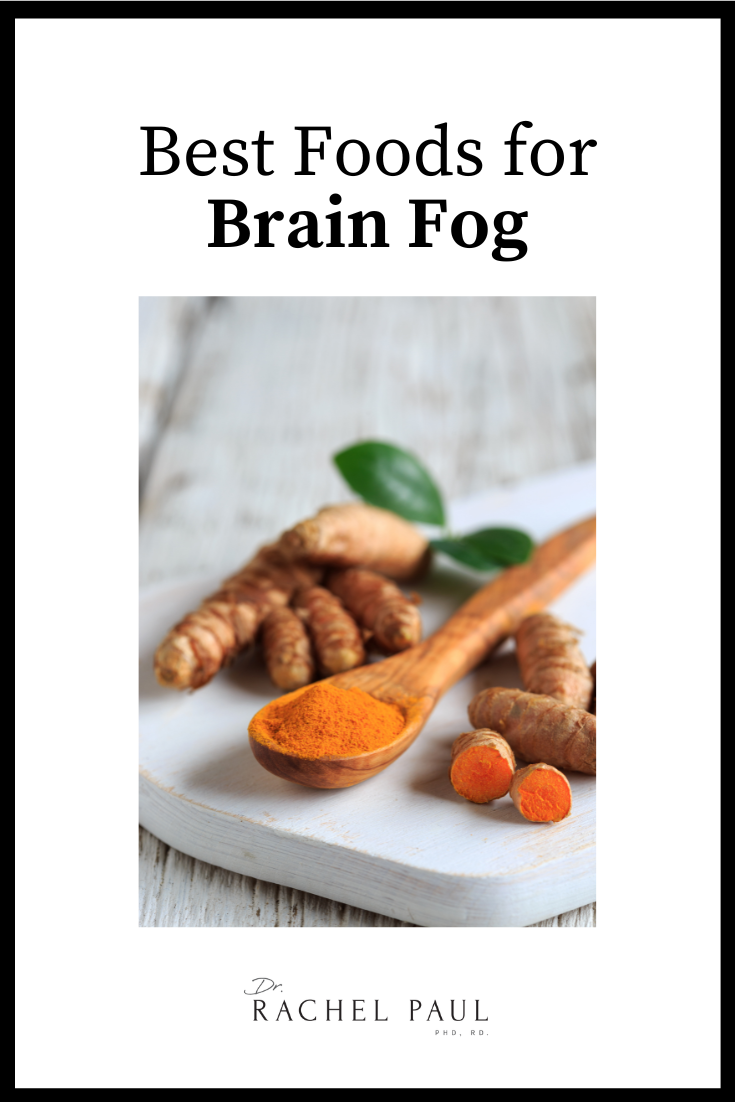
Spice up your life by incorporating turmeric into your meals when you want to combat brain fog and counter cognitive decline. Turmeric is a great source for the antioxidant curcumin, which may prevent plaque formation associated with Alzheimer’s disease. Experts do not recommend a specific daily amount of turmeric because they do not believe excess consumption causes harm. Sprinkle it in your soup, eggs, and marinate it on your chicken.
Artichokes
Artichokes contain the antioxidant luteolin, which supports brain health and may help reduce brain fog over time. They are a great food idea to add to your list when you want to improve your cognitive function and reduce inflammation, limit oxidative stress, and inhibit viruses. Be careful not to consume too many artichoke leaves each day. You’ll want to avoid this in order to prevent chronic toxicity. Limit your intake of artichoke leaves to under 20 grams per day unless a healthcare professional advises otherwise.
Want more brain-boosting food ideas, you might also consider these brain food snacks.