When learning about nutrition, you’ve probably heard about hitting your daily targets for protein, fats, carbs, and dietary fiber. Finding gluten-free sources of fiber can be trickier, since fiber comes from plant foods like fruits, vegetables, nuts, seeds, and grains. Many gluten-free swaps skip it entirely, and it’s simply the part of plant food your body can’t digest.
You see, our bodies naturally break down and absorb the energy and nutrients we need from the food we eat, with the exception of fiber. However, it’s important to incorporate more fiber in our diets because fiber offers many benefits to support our overall digestive system. Fiber helps in a few key ways: it reduces constipation and promotes regular bowel movements, and it slows the absorption of cholesterol and sugar. That combination helps lower cholesterol, stabilize blood sugar, and lower your risk of heart disease, diabetes, and certain cancers.
So if you needed another reason to increase your fiber intake each day, what better reason do you have than that?
However, getting enough fiber can be a challenge when you have celiac disease or are on a gluten free diet. So today, if you are wondering how to add fiber to diet, here’s a round-up of gluten-free sources of fiber you can add to your diet plans.
10 Gluten-Free Sources Of Fiber
Navy beans
When you’re looking to add more nutrition into your diet, you can never go wrong with incorporating more beans. Beans are high in fiber and protein and contain other important nutrients our bodies need like iron, potassium, and magnesium. Navy beans and black beans are high in fiber. Navy beans boast about 6.9 grams of dietary fiber in a ½ cup serving. Add them to your chili or offer them as a side to your favorite dinner along with leafy greens.
Chia seeds
Did you know? A 2 tablespoon serving of chia seeds contains an impressive 11 grams of dietary fiber! However, many people don’t know where to begin when it comes to incorporating chia seeds into their diets. You can keep it simple and add chia seeds to your water or sprinkle it into your pudding, smoothie, oatmeal, stir fry, or salad dressing. The sky’s the limit!
Gluten-Free Oats
Of all the gluten free foods, oats is one of the more controversial items on our list given the cross contamination risk at some manufacturers. For this reason, we recommend looking for pure, uncontaminated oats labeled as gluten-free, which should be safe for consumption. With about 8 grams of fiber per 1-cup serving, gluten-free oats are one of the gluten-free sources of fiber you can add to your diet.
Ground flax seeds
1 tablespoon of ground flax seeds contains 2 grams of dietary fiber. You can add ground flax seeds to your diet the same way you add chia seeds (sprinkle it into your pudding, smoothie, oatmeal, stir fry, or salad dressing). Or you can even use it as an egg replacement or as a thickener for several dishes. Flax seeds offer a milder taste allowing you to get as creative as you wish!
Brown Rice (High in Fiber)
Brown rice is probably the most popular of gluten free grains that’s easily able to be incorporated into many diets. 1 cup serving of brown rice contains 3.5 grams of dietary fiber, which is pretty good for rice. A single serving of brown rice contains over 45 grams of complex carbohydrates and important vitamins and minerals like iron, calcium, niacin, and thiamin.
Apples
Did you know? Apples are another high fiber gluten free food you eat regularly that you probably didn’t even know about before now. A medium sized apple contains 4.37 grams of dietary fiber. So if you need one more excuse to pick up a bag of apples, definitely don’t walk past them the next time you’re in the grocery store.
Artichokes
Artichokes are one of the most delicious and versatile vegetables that’s perfect for those looking for gluten free foods that are high in fiber. Medium sized artichokes contain 7 grams of dietary fiber. If you’re wondering what to do with this trusty, mouth watering veg, you can simply steam them, make a dip with artichokes, throw them on a pizza, or add them to your next pasta dish.
Avocado
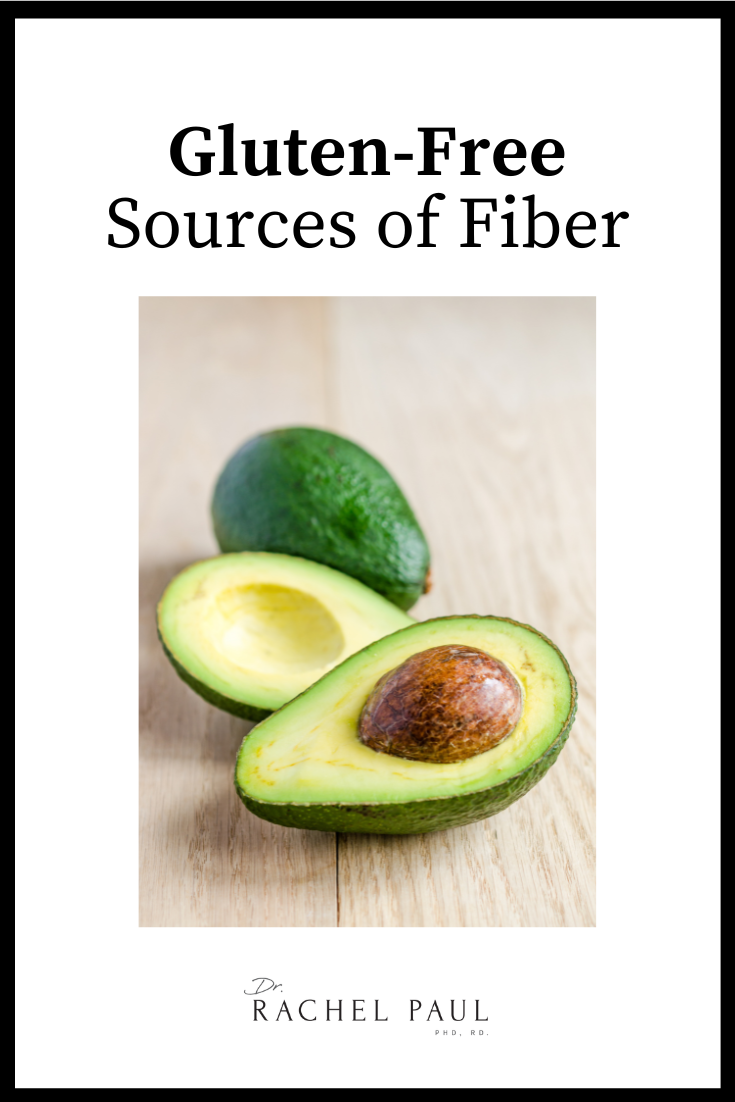
Avocados are another common food item that are pretty high in fiber! One avocado contains 14 grams of dietary fiber, which is impressive. Did you know that? Spread avocado on your toast in the morning at breakfast or add avocado to your taco or burrito the next time you’re deciding on toppings for Taco Tuesday. Not only is an avocado high in fiber, it’s also jam packed with over 20 other vitamins and nutrients like potassium, magnesium, B6, vitamin C, vitamin E, and folate too!
Quinoa: A Gluten-Free Whole Grain
Quinoa is another great source of plant based fiber and protein everyone should add to their grocery staples not just those looking for gluten free grains or with celiac disease. This fluffy grain is yummy on its own, but you can also throw it in a salad or incorporate it into a stew or casserole. A cup serving of cooked quinoa contains 5 grams of dietary fiber.
Amaranth
Amaranth is a staple food in ancient Inca, Maya and Aztec civilizations. This ancient food is a cosmopolitan group of more than 50 species of grains and is a very rich source of fiber and protein (both of which help with weight loss and promote a feeling of fullness). A ½ cup serving of cooked amaranth contains 2.5 grams of dietary fiber. Eating amaranth can also help reduce inflammation and help protect against harmful free radicals in the body due to it containing natural antioxidants.
For recipes, I’ve rounded up some high fiber gluten free foods here.
Follow me on Instagram for more updates.