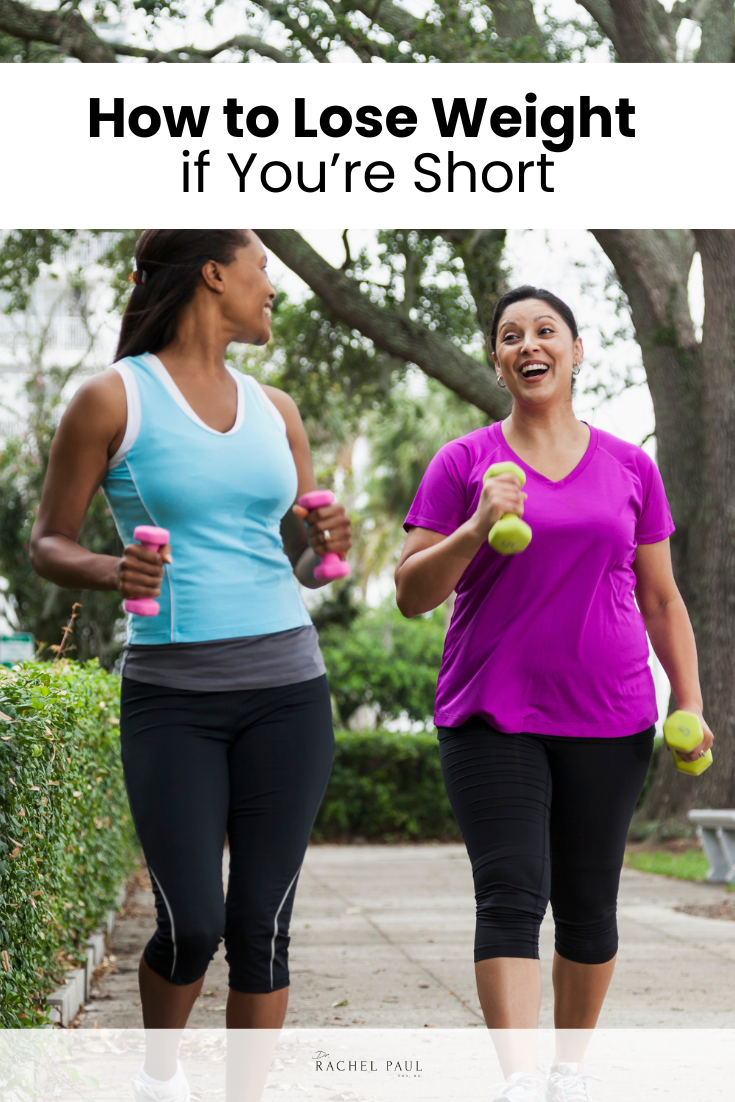
If you are wondering how to lose weight if you’re short, you are not alone. Many shorter women feel frustrated when traditional weight-loss advice does not work for them. You may feel like you are doing all the “right” things, yet progress feels slow or inconsistent.
A smaller body frame often comes with a lower-calorie budget, which means small choices can have a greater impact. That does not mean weight loss is harder or unrealistic. It simply means being more intentional with habits that truly move the needle.
In this post, you will learn five realistic, sustainable strategies for how to lose weight if you’re short while still enjoying food, social events, and everyday life. These are tools you can use long term, not extreme rules or restrictive plans.
How to Lose Weight if You’re Short: 5 Effective Tips
1. Track Your Food
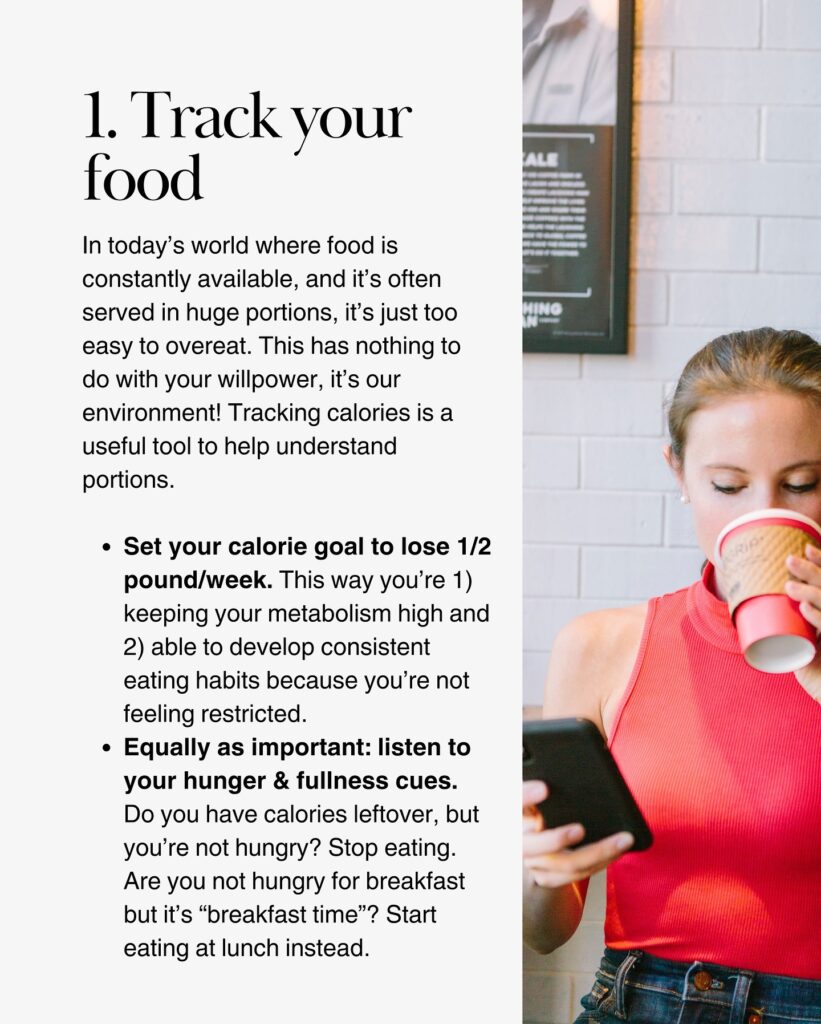
In today’s world, food is constantly available and often served in large portions. This has nothing to do with willpower. It is our environment.
Tracking your food intake is a useful tool for understanding portions and patterns, especially if you are short and working within a smaller calorie range.
Helpful guidelines:
- Set your calorie goal to aim for about 1/2 pound of weight loss per week
- Use tracking as information, not judgment
- Focus on trends over time, not daily fluctuations
Equally important is listening to your hunger and fullness cues. If you have calories left but are not hungry, it is okay to stop eating. If you are not hungry for breakfast, you can start eating at lunch instead. Tracking works best when paired with body awareness, not rigid rules.
2. Use the Meal Formula
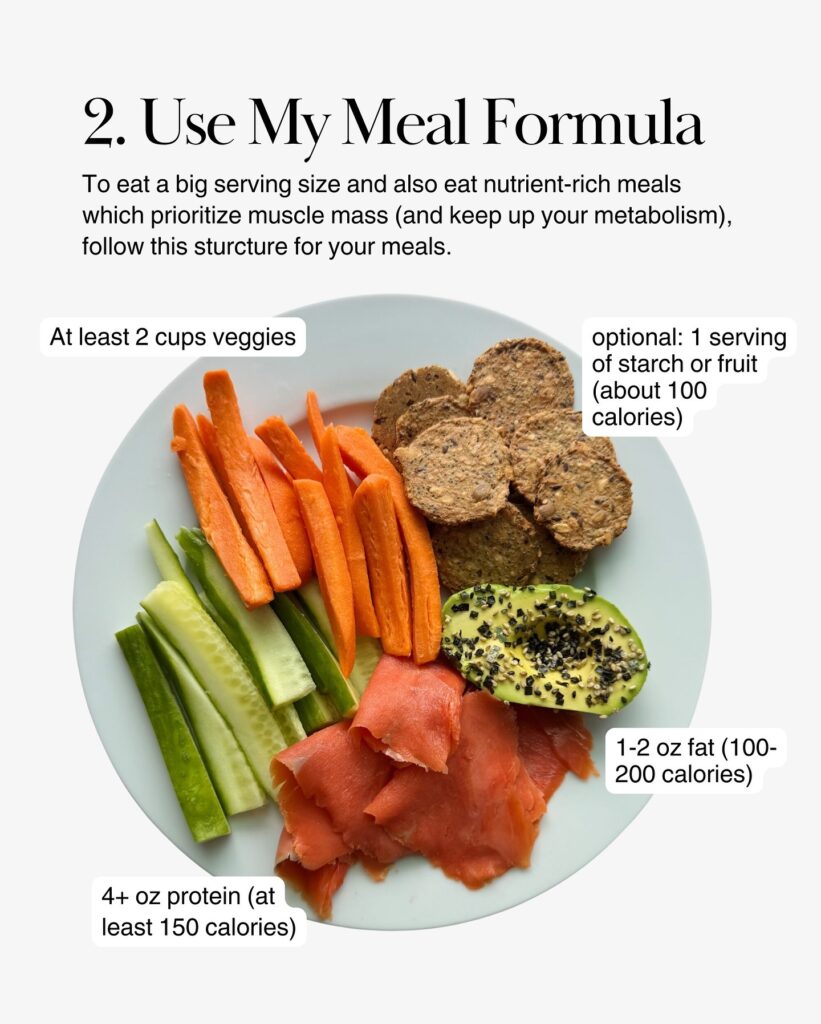
One of the biggest challenges for shorter women is staying satisfied while staying within calorie needs. Meal composition matters just as much as calorie totals.
Following a consistent meal structure helps regulate appetite, support muscle mass, and prevent excessive hunger later in the day.
Using a protein-forward, fiber-rich approach allows meals to feel filling and balanced without being overly restrictive. Including fat adds satiety, while optional starch or fruit helps meals feel complete and enjoyable.
This structure makes it easier to stay consistent because meals feel substantial rather than skimpy.
3. Plan for Dessert & Alcohol
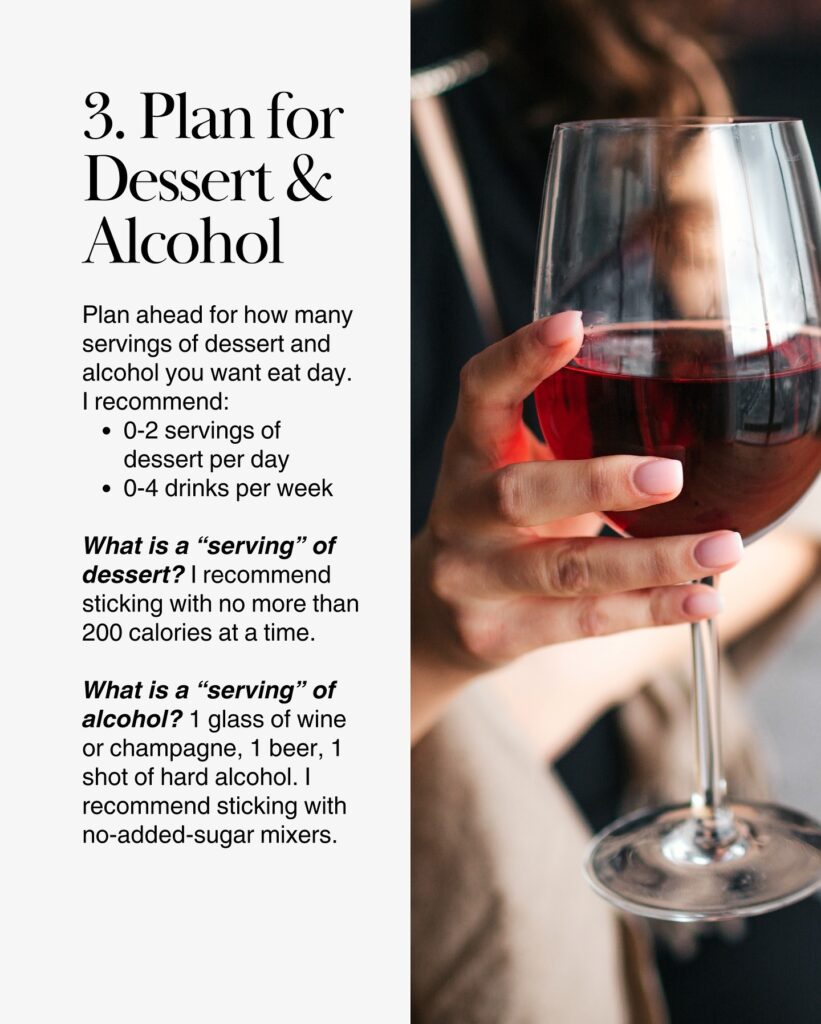
Trying to completely avoid dessert or alcohol often backfires. Planning for them is a more realistic and sustainable approach.
Rather than asking whether you “should” have something, it is more helpful to decide in advance how it fits.
General recommendations:
- 0 to 2 servings of dessert per day
- 0 to 4 alcoholic drinks per week
A dessert serving is typically no more than 200 calories. A serving of alcohol includes one glass of wine or champagne, one beer, or one shot of hard alcohol. Choosing no-added-sugar mixers can help maintain balanced intake.
Planning removes guilt, reduces impulsive choices, and supports consistency over time.
4. Be a “Food Snob”
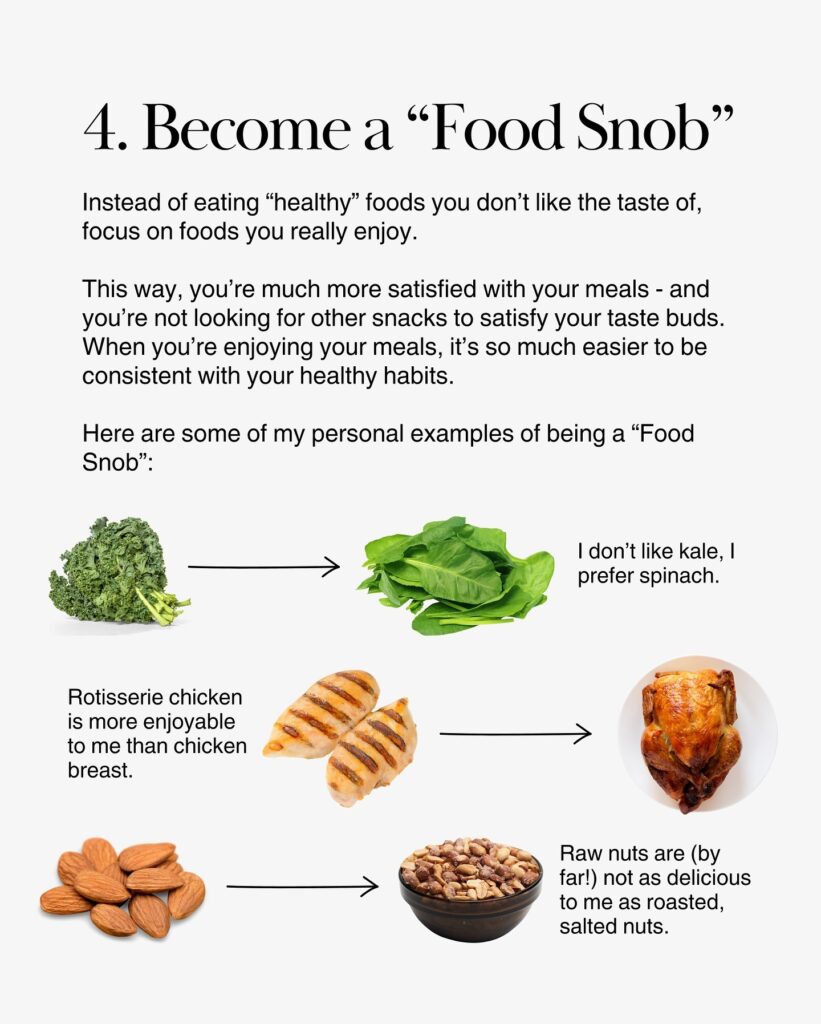
Eating foods you do not enjoy simply because they are labeled “healthy” often leads to dissatisfaction and snacking later.
Being a food snob means choosing foods you genuinely enjoy, so meals are satisfying. Satisfaction is not optional for long-term weight loss. It is essential.
When meals taste good:
- You feel more content after eating
- You are less likely to snack out of boredom or frustration
- Healthy habits feel easier to maintain
Choosing enjoyment within structure helps make weight loss feel sustainable rather than restrictive.
5. Walk Every Day
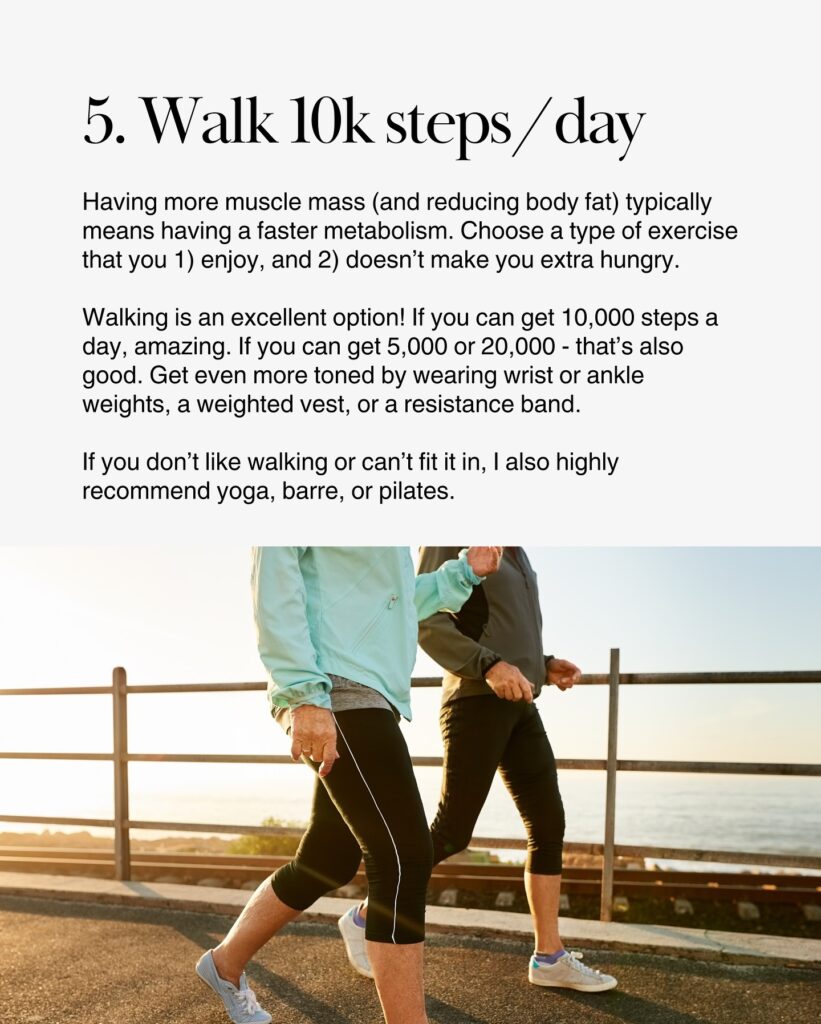
Exercise should support your goals, not make weight loss harder by leaving you overly hungry or exhausted.
Walking is an excellent option because it supports fat loss and metabolic health without significantly increasing appetite.
- If you can get 10,000 steps per day, that is great
- If you can get 5,000 or even 20,000 steps, that is also beneficial
You can increase intensity with ankle or wrist weights, a weighted vest, or resistance bands. If walking does not fit your lifestyle, yoga, barre, or pilates are excellent alternatives.
Consistency matters more than intensity.
Special Considerations for Short Girls
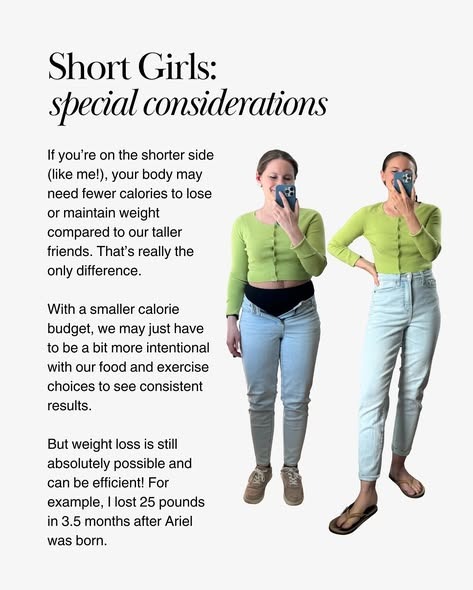
If you are shorter, your body may naturally need fewer calories to lose or maintain weight compared to taller women. That is often the only real difference.
With a smaller calorie budget:
- Small habits matter more
- Consistency outweighs perfection
- Sustainability matters more than speed
This does not mean weight loss will slow forever or be impossible. It simply means precision and patience are more important than extremes. Weight loss can still be efficient, healthy, and lasting.
Weight Loss Is Achievable Even at Your Height
You do not need extreme rules to lose weight if you are short. You need realistic strategies that respect your body and your life.
Tracking for awareness, building satisfying meals, planning treats, choosing foods you enjoy, and staying active are tools you can rely on over the long term. These habits support progress without burnout.
You are not behind. You are learning what works for you.
Want help getting started?
Get my free Beginner’s Guide to Weight Loss here!
Visit DrRachelPaul.com to download more free guides and start building habits that last.