Losing weight doesn’t have to involve cutting out your favorite foods or spending hours in the gym. In fact, the habits that are easiest to stick with are often the ones that lead to the best long-term results. Instead of relying on willpower, focus on creating an environment where healthy choices feel more natural.
In this post, I’ll share six realistic strategies to make weight loss feel easier. These are the same principles I encourage clients to practice because they’re sustainable, satisfying, and designed to fit into everyday life. Whether you’re just getting started or looking for a few simple changes, these habits can help you stay consistent without feeling deprived.
Healthy Habits: Simple Ways to Lose Weight
Be a Food Snob
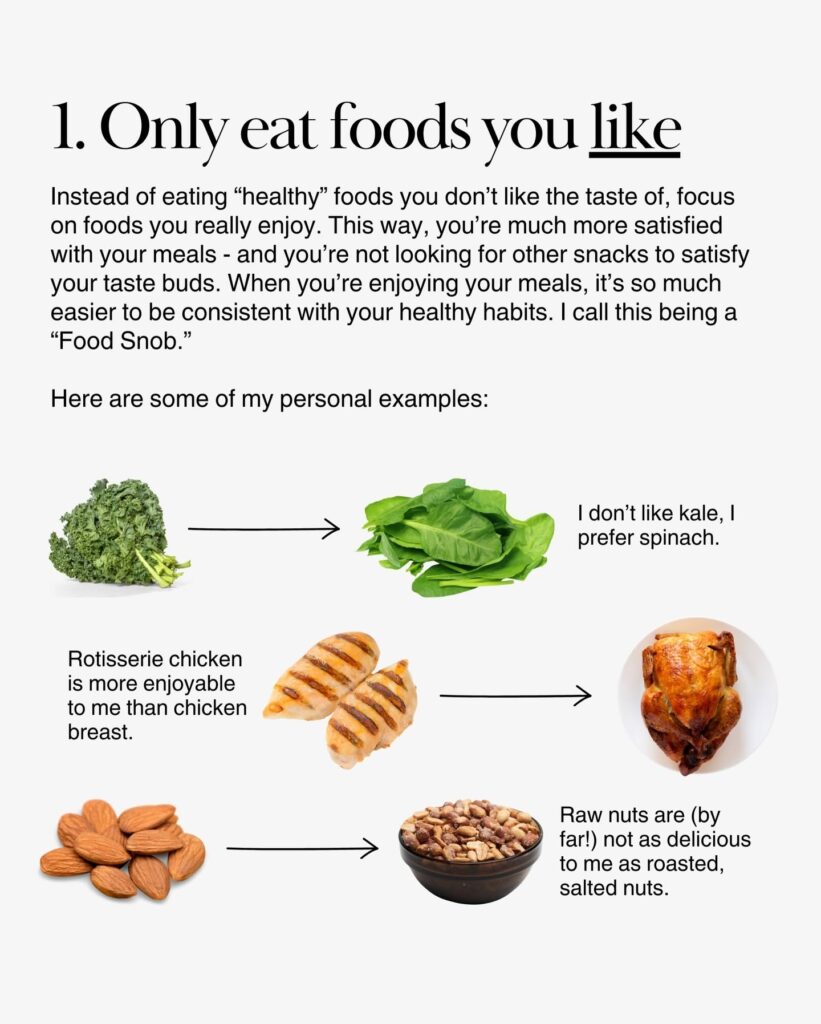
One of the easiest ways to stay consistent is to stop forcing yourself to eat foods you don’t actually enjoy. Many people assume they need to eat the “healthiest” option available, even if they dislike it. The problem is that meals become less satisfying, making it easier to keep searching for snacks later.
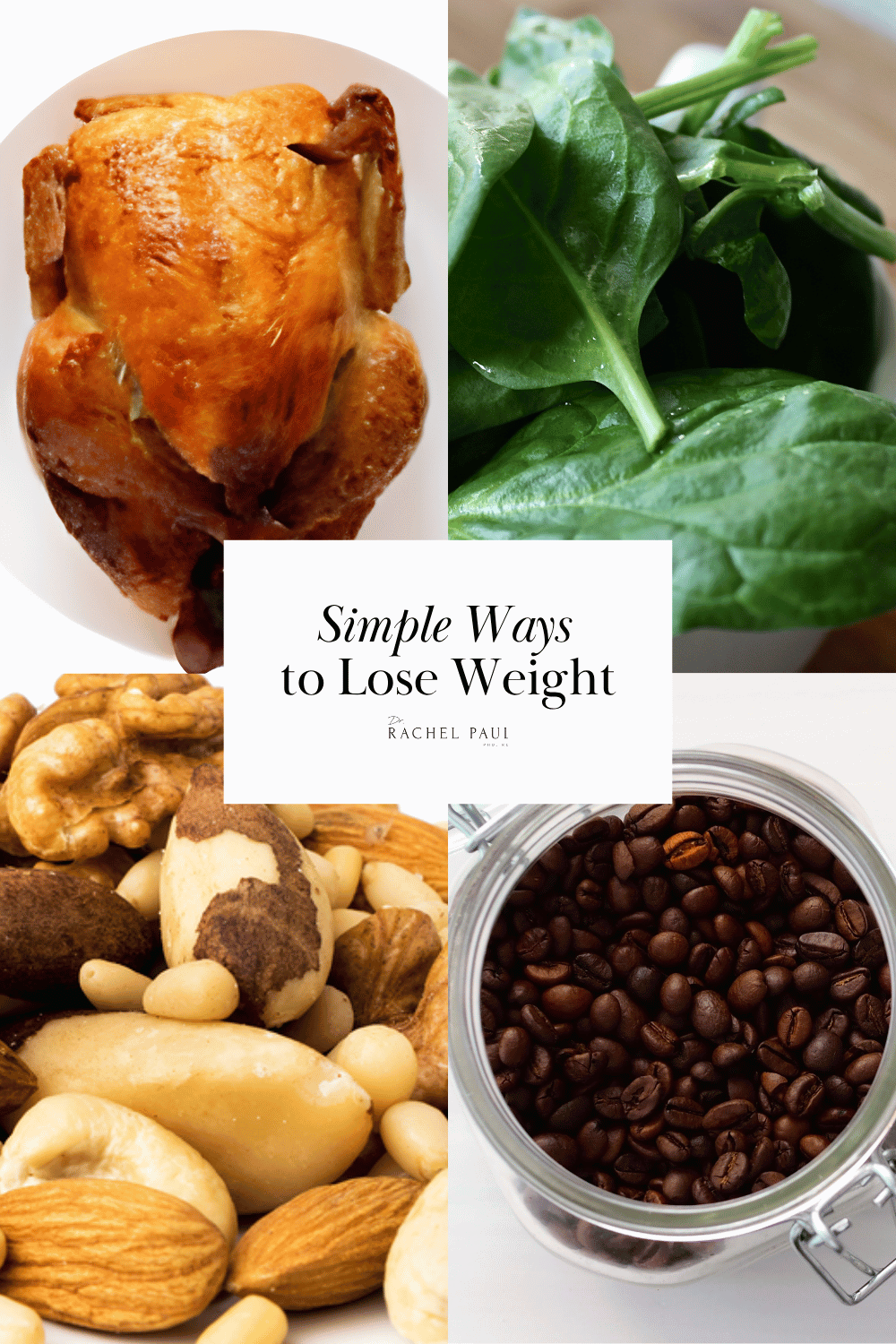
Instead, find healthier foods you genuinely enjoy. If spinach tastes better than kale, choose spinach. If rotisserie chicken keeps you satisfied more than plain grilled chicken, that’s perfectly okay. And if you prefer roasted, salted nuts over raw nuts, enjoy them in appropriate portions. Enjoying your meals makes healthy eating much easier to maintain because you’re building habits you’ll actually want to continue.
Make Simple Sugar Tweaks
You don’t have to eliminate sugar to lose weight. Instead, make small changes that naturally reduce how much you eat while still leaving room for the treats you enjoy.
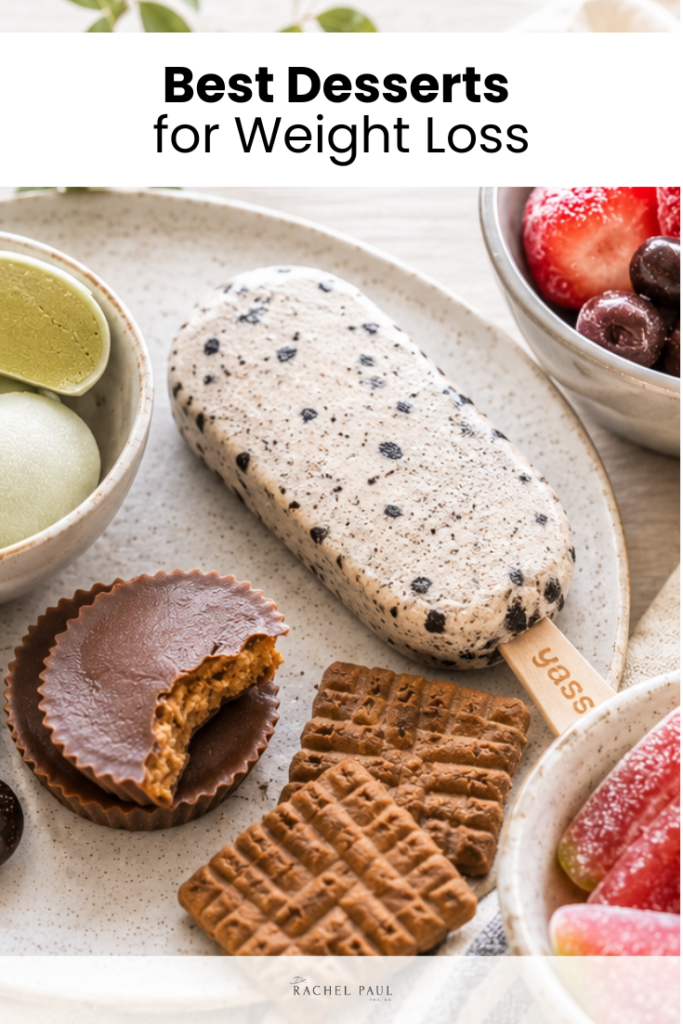
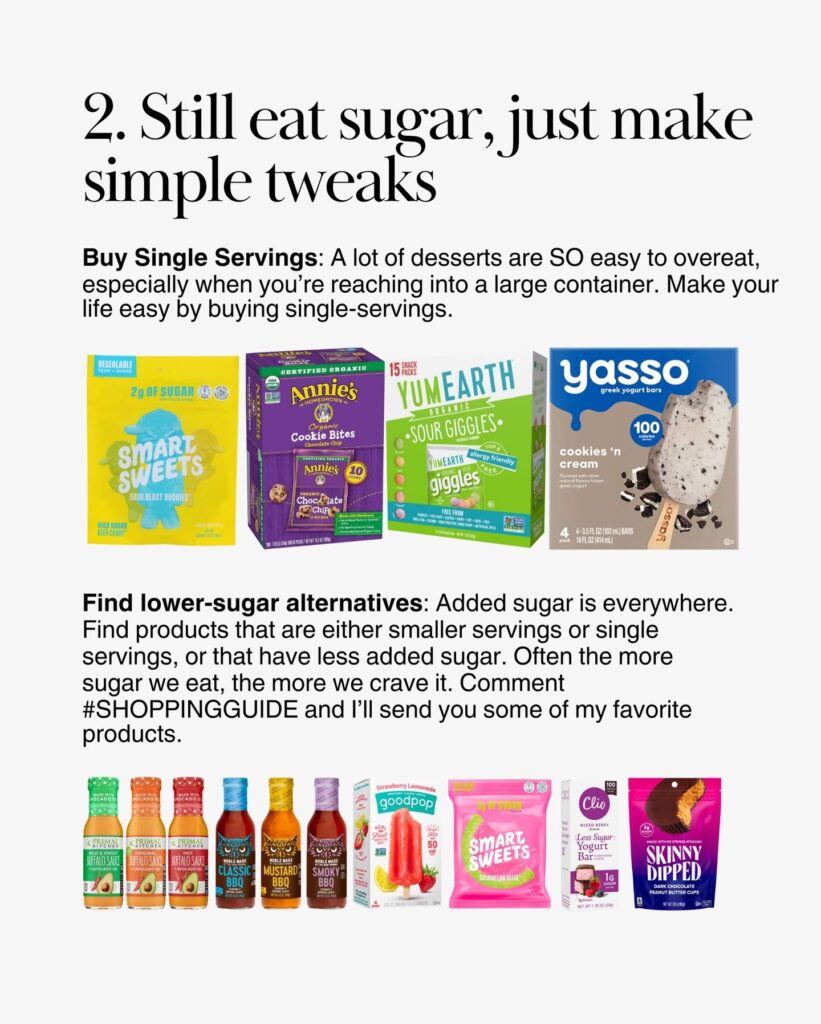
Buying individually portioned desserts can make it easier to enjoy something sweet without accidentally overeating. Looking for products with less added sugar can also help satisfy your sweet tooth while reducing overall sugar intake.
Some simple ideas include:
- Single-serve frozen Greek yogurt bars (about 100 calories each)
- Individually packaged cookies (check serving sizes, typically 100-150 calories)
- Lower-sugar candy in portion-controlled packs
- Lower-sugar sauces and condiments
- Greek yogurt dessert bars
- Dark chocolate peanut butter cups in single servings
The goal isn’t perfection. It’s making the healthier choice the easier choice.
Find Liquids You Love
Staying hydrated is one of the simplest habits you can build to support weight loss. While drinking water doesn’t directly burn fat, it can help you feel more satisfied between meals and make it easier to distinguish between thirst and hunger. Many people find they’re reaching for a snack when they’re actually just dehydrated.
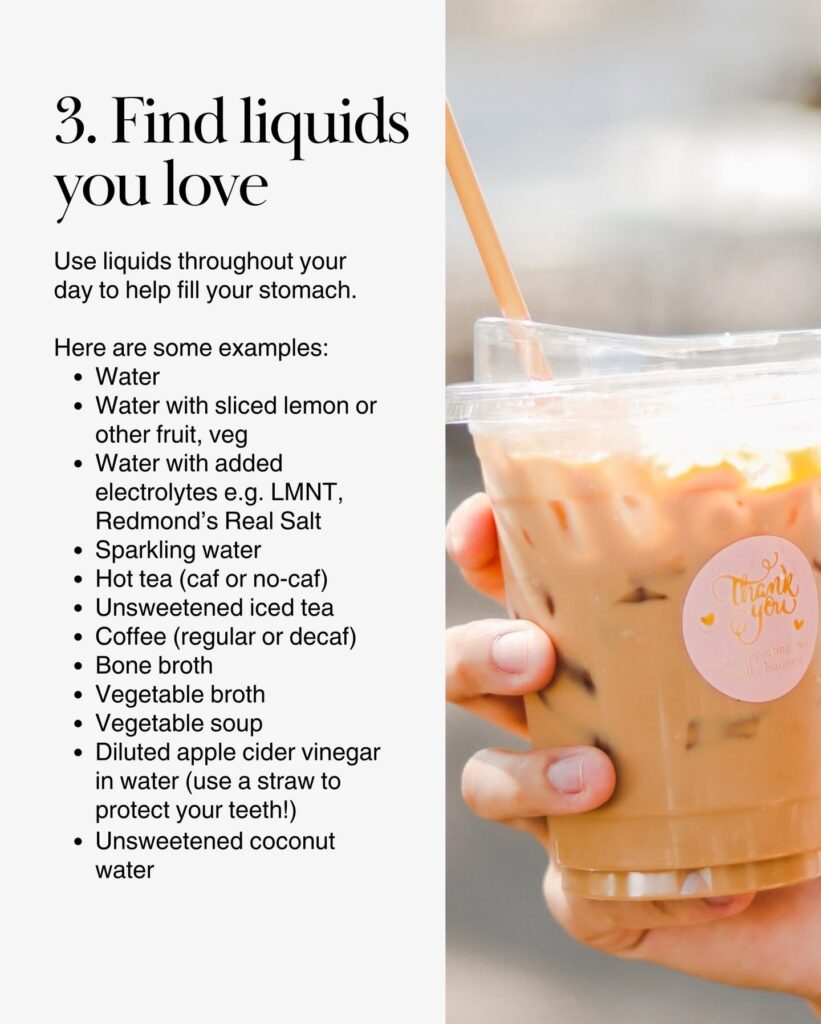
Finding low-calorie drinks you genuinely enjoy can also make healthy habits feel much easier. If plain water isn’t your favorite, that’s okay. There are plenty of flavorful options to help you stay hydrated throughout the day without adding many extra calories.
Some great choices include:
- Water
- Water with sliced lemon, lime, berries, or cucumber
- Sparkling water
- Unsweetened iced tea
- Hot tea (caffeinated or caffeine-free)
- Coffee (regular or decaf), with mindful additions
- Bone broth
- Vegetable broth
- Vegetable soup
- Unsweetened coconut water
- Water with electrolytes, if needed for activity or heavy sweating
Warm drinks like tea or broth can be especially satisfying during the colder months, while sparkling water can be a great alternative to soda if you enjoy carbonation. Coffee and tea may also help some people stay satisfied between meals, especially when they’re enjoyed without large amounts of added sugar or cream.
If you’re looking for practical tips, read our guide on how to quickly hydrate to stay on top of your hydration goals.
Adjust Your Meal Proportions
Instead of removing foods you love, change the balance on your plate.
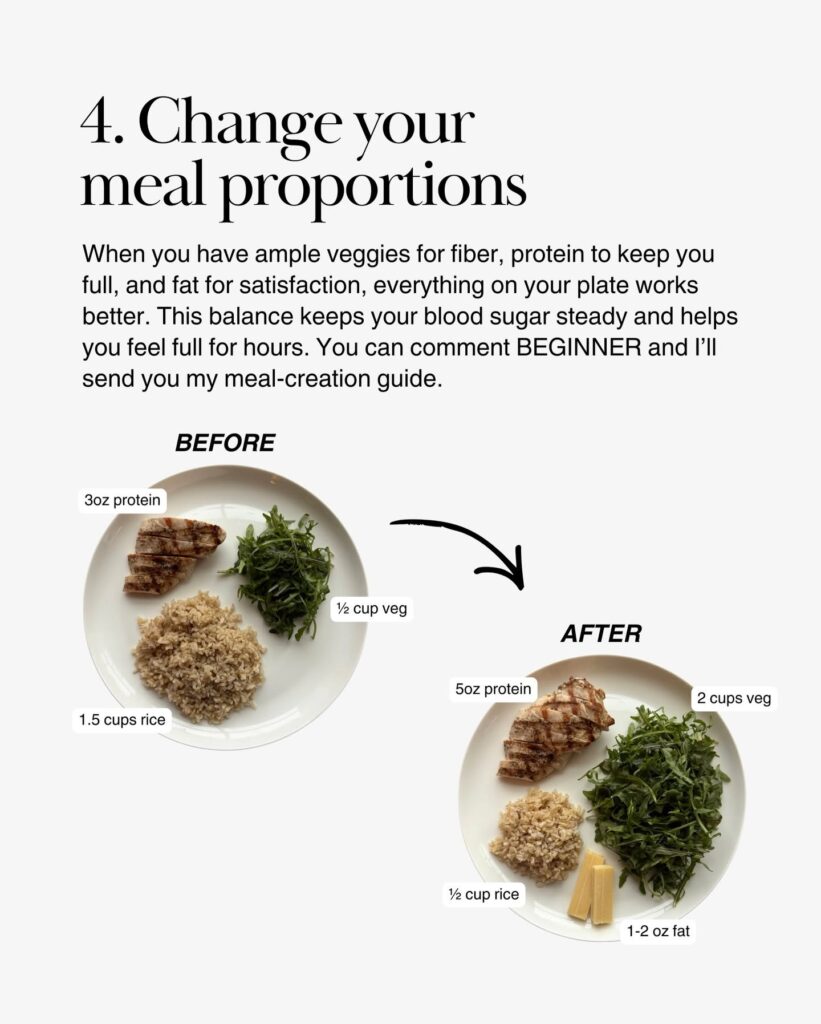
Meals that include plenty of vegetables for fiber, enough protein to keep you full, and healthy fats for satisfaction tend to be more filling than meals centered mostly around carbohydrates. This balance can help keep your blood sugar steadier, reduce hunger between meals, and make it easier to stay satisfied for longer.
A simple balanced plate might include:
- 5 ounces lean protein
- 2 cups non-starchy vegetables
- 1-2 servings of healthy fat
- 1/2 cup cooked rice or another carbohydrate
You don’t have to eliminate carbs. Simply adjusting your portion sizes can make meals more satisfying while supporting your weight-loss goals.
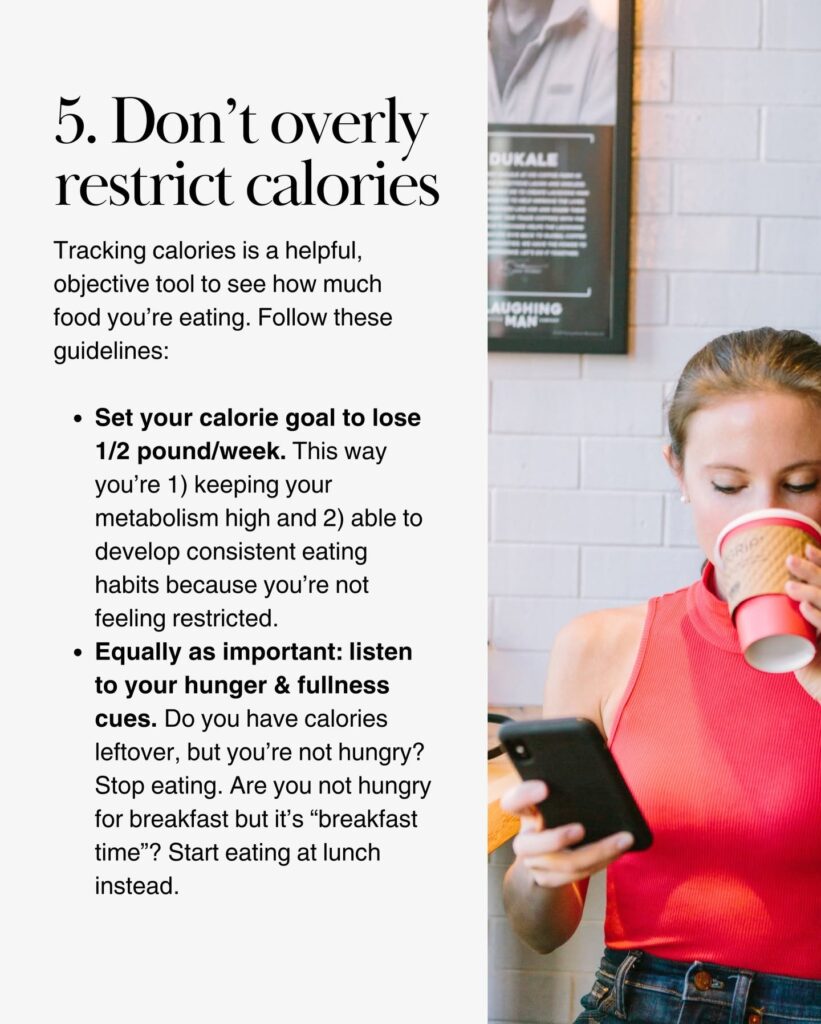
Don’t Overly Restrict Calories
Many people think eating as little as possible is the fastest way to lose weight. In reality, overly restrictive diets are difficult to maintain and often leave you feeling hungry, tired, and frustrated.
If you’re tracking calories, choose a realistic calorie goal that supports gradual, sustainable weight loss. A slower pace often makes it easier to stay consistent and build habits you can maintain for years, not just weeks.
Equally important is listening to your body’s hunger and fullness cues. If you’re comfortably full before reaching your planned calorie intake, it’s okay to stop eating. If you’re not hungry first thing in the morning, you may choose to wait until lunch if that fits your schedule and still meets your daily nutrition needs.
Calorie goals can be helpful guides, but they shouldn’t replace paying attention to your body’s natural signals.
Prioritize Sleep
Sleep is one of the most overlooked weight loss habits.
When you don’t get enough sleep, the hormones that help regulate hunger and fullness can become disrupted. You may notice stronger cravings, less energy to prepare balanced meals, and less motivation to be physically active. Even making simple decisions can feel harder after a poor night’s sleep.
Aim for a consistent sleep schedule whenever possible. Limiting late-night screen time, establishing a relaxing bedtime routine, and prioritizing adequate sleep can support your overall health and make healthy eating habits easier to maintain.
Sometimes, the most productive thing you can do for your weight-loss goals is simply to go to bed a little earlier.
Why These Habits Work Together
Many people think successful weight loss comes from extreme diets or perfect discipline. In reality, sustainable weight loss is usually built on habits that are enjoyable, practical, and easy to repeat.
Choosing foods you enjoy, making small sugar swaps, staying hydrated, building balanced meals, avoiding overly restrictive calorie goals, and prioritizing sleep all work together to reduce decision fatigue. Instead of relying on willpower every day, you’re creating a lifestyle where healthier choices become the easier choices.
Small changes may seem simple, but practiced consistently over time, they can make a meaningful difference.
Keep Weight Loss Simple
Weight loss doesn’t have to feel overwhelming. You don’t need a perfect diet or endless motivation to make progress. Start with one or two habits that feel manageable, then build from there. Consistency almost always beats perfection.